The Thrill of Uncertainty
The human fascination with gambling can be largely attributed to our innate attraction to uncertainty. When individuals engage in gambling activities, they enter a realm where the outcome is unpredictable. This unpredictability evokes a rush of adrenaline, prompting heightened emotional experiences. The excitement that accompanies gambling starkly contrasts the predictability of daily life, offering a temporary escape that is both exhilarating and liberating. Many players find that options like MCW Casino provide thrilling challenges that allow them to explore their desires for thrills and adventure, pushing them beyond the boundaries of routine existence.
Moreover, this thrill is significantly enhanced by the concept of variable rewards, which plays a pivotal role in how our brains interpret risk. The anticipation of winning—especially when the outcome is uncertain—can trigger dopamine release, heightening pleasure and satisfaction. This neurochemical response is often referred to as the ‘gambling high,’ where the prospect of winning overshadows the acknowledgment of potential losses. As a result, individuals frequently return to gambling not solely for the chance to win but for the emotional rollercoaster it provides, making the experience both addictive and captivating.
Furthermore, the urge to embrace uncertainty is mirrored in various psychological theories, such as the ‘risk-taking trait.’ Research indicates that certain individuals possess a greater propensity for risk-taking, seeking thrills in both gambling and other high-stakes situations. This risk-seeking behavior is often linked to personality traits such as impulsivity and sensation-seeking, making gambling an ideal outlet for those yearning to satisfy their craving for excitement. This aspect of human nature compels many to engage in gambling as a way to explore their personal limits and experience life more vividly.
The Impact of Social Dynamics
Social influences play a vital role in shaping perceptions and attitudes toward gambling. Many individuals find themselves drawn to gambling due to peer pressure or societal norms that celebrate the lifestyle associated with high-stakes gaming. Social environments, such as gambling venues, create a communal experience where people can share the exhilarating highs and devastating lows of gambling together. This shared experience not only fosters a sense of belonging but also amplifies the overall appeal of participating in risky behaviors, creating a unique social fabric centered around chance and luck.
The presence of other players can significantly amplify one’s desire to gamble. Observing others win, coupled with shared exuberance, creates an infectious atmosphere of excitement that encourages further participation. The social aspect of gambling can cultivate a sense of camaraderie, where the collective thrill of betting often overshadows individual losses, rendering the experience more enjoyable and memorable. This communal reinforcement can lead to an environment where gambling becomes a shared ritual, further entrenching individuals in the culture of risk-taking.

However, this social dynamic can also obscure the inherent risks associated with gambling. The pressure to conform and participate can lead individuals to take risks they might otherwise avoid. This creates a vicious cycle where increased gambling strengthens social ties, making it increasingly challenging to break free from potentially harmful habits. Thus, while gambling can indeed foster relationships and community, it can also distort perceptions of risk, blurring the lines between enjoyment and addiction. Understanding these social dynamics is crucial for recognizing the potential pitfalls that accompany gambling behavior.
Psychological Rewards and Addiction
The human need for instant gratification is a significant driving force behind why many indulge in gambling. In a world that often demands patience and delayed rewards, the immediate nature of gambling results can be utterly intoxicating. The swift turnaround between placing a bet and witnessing its outcome creates a direct feedback loop that is incredibly appealing. This immediacy is particularly pronounced in electronic gambling environments, where games can be played continuously without the delays inherent in traditional betting formats.
However, this drive for instant rewards can lead to adverse consequences. The psychology of risk-taking often intersects with addiction, as the thrill of winning can create a compulsive cycle. Gamblers may initially experience euphoria with their wins, but losses can lead to desperate attempts to reclaim what has been lost. This pattern is frequently exacerbated by the illusion of control, where gamblers believe they can influence outcomes despite the inherent randomness involved in gambling. Such beliefs can lead to reckless behavior, as individuals chase losses with the hope of turning their luck around.
Addiction to gambling can also stem from various underlying psychological issues, such as anxiety or depression. Individuals may turn to gambling as a means of escapism, seeking to mask their emotional struggles. Unfortunately, this often leads to a vicious cycle where the temporary relief provided by gambling only exacerbates feelings of distress. Understanding this psychological interplay is crucial for addressing gambling addiction and fostering healthier coping mechanisms. By recognizing the underlying issues that drive gambling behavior, individuals can seek more constructive outlets for their emotions and challenges.
Influence of Marketing and Gamification
Modern gambling establishments employ sophisticated marketing strategies that captivate audiences while enhancing the gambling experience through techniques known as gamification. These strategies leverage psychological principles to engage users, making them more likely to participate in risky behaviors. With the introduction of loyalty programs, bonuses, and incentives for participation, players often feel a sense of commitment, further driving their engagement in gambling activities. This marketing approach not only attracts new players but also retains existing ones, creating a cycle of continuous participation.
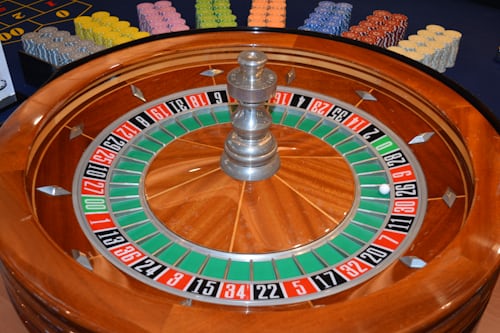
Moreover, the incorporation of immersive graphics, engaging sounds, and interactive features creates an environment that keeps players enthralled. This design philosophy taps into the psychology of allure, where sensory stimulation combined with the prospect of rewards captures a player’s attention, encouraging prolonged engagement. The more invested players feel in the experience, the more they may overlook the potential consequences of their gambling actions. This engagement strategy is particularly effective in online platforms, where distractions and rewards are just a click away.
The rise of online gambling has significantly intensified these marketing tactics, as gamblers can now access platforms from the comfort of their homes, making participation easier than ever. Online casinos often utilize algorithms to create personalized experiences tailored to individual preferences, further drawing users into a customized gambling journey. This potent combination of psychological nudges and digital accessibility has redefined gambling, reinforcing tendencies that draw individuals toward risk-taking behaviors. As these marketing techniques evolve, they continue to shape the landscape of gambling, blurring the lines between entertainment and addiction.
Understanding Responsible Gambling Through Education
As the psychology of risk plays a pivotal role in gambling behaviors, promoting responsible gambling practices becomes essential. Awareness and education surrounding the risks associated with gambling can help individuals recognize their limits and make informed decisions. By understanding the mechanisms that drive risk-taking behavior, individuals can gain valuable insights into their gambling habits and seek healthier alternatives when necessary. This knowledge empowers gamblers to approach their activities with a critical mindset, minimizing impulsive decisions that could lead to negative consequences.
Various organizations focus on promoting responsible gambling by providing resources, including self-assessment tools, awareness campaigns, and support services for those who may struggle with gambling addiction. These initiatives aim to counteract the glamorization of gambling and illuminate the potential consequences of excessive play. Education plays a crucial role in equipping individuals with the skills necessary to navigate the complexities of gambling and to cultivate a balanced lifestyle where gambling remains a source of entertainment rather than a source of distress.
Ultimately, fostering an environment where gambling is viewed as a recreational activity rather than a necessity is vital. Encouraging open discussions about the psychological aspects of risk can help dismantle the stigma surrounding gambling addiction, leading to a more supportive atmosphere for individuals seeking assistance. By integrating psychological insight with practical tools, society can begin to transcend the allure of gambling and pave the way for healthier recreational habits, promoting a culture of responsible engagement that prioritizes well-being over risk.